
Diwali
दीपावली
Celebrating light over darkness, good over evil, knowledge over ignorance. The triumph of righteousness that illuminates our hearts and homes.
Tap the sky to light a firework
Introduction
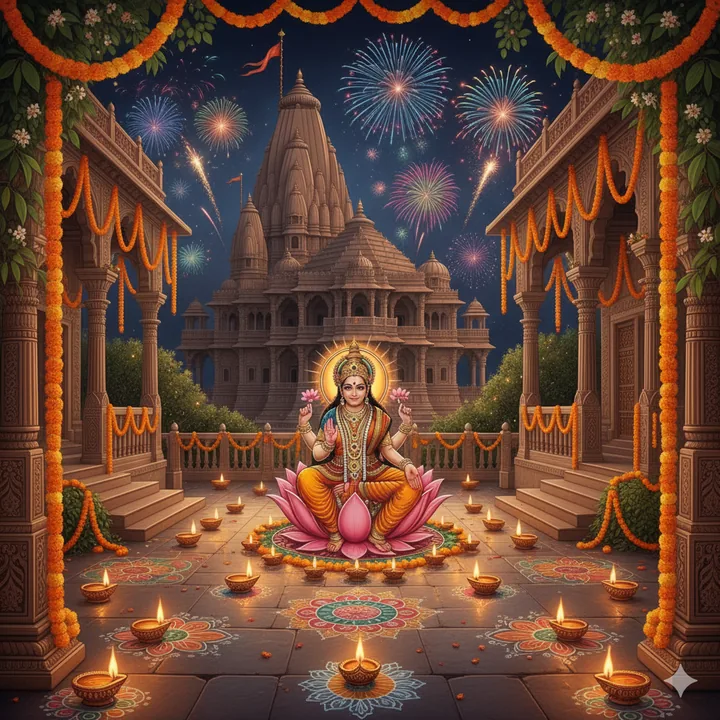
Diwali, also known as Deepavali, is one of the most significant and widely celebrated festivals in Hinduism. This festival of lights symbolizes the victory of light over darkness, good over evil, knowledge over ignorance, and hope over despair.
History & Origins
Diwali's origins are multi-layered and are celebrated with different traditions across regions:
- Ramayana Tradition: Marks the return of Lord Rama, Sita, and Lakshmana to Ayodhya after defeating Ravana. The people of Ayodhya welcomed them with rows of lamps (diyas).
- Krishna Tradition: In South India, it commemorates Lord Krishna's victory over the demon Narakasura.
- Jain Tradition: Jains celebrate Diwali as the day Lord Mahavira attained Nirvana (liberation).
- Sikh Tradition: For Sikhs, it is Bandi Chhor Divas — celebrating Guru Hargobind's release from imprisonment along with 52 princes.
- Agrarian Roots: Historically linked to the end of harvest season and the start of a new year in many Indian regions.
Significance
Diwali is not just a festival — it's a spiritual reminder and a social celebration. Common themes include:
- Light over darkness: Lamps and fireworks symbolize victory of positivity.
- Prosperity: Worship of Goddess Lakshmi for wealth and well-being.
- Renewal: People clean and decorate homes, buy new clothes, and begin fresh financial accounts.
- Harmony: Families gather, exchange sweets, and strengthen social bonds.
How It's Celebrated Worldwide
Celebrated by over one billion people worldwide, Diwali is a major holiday in India and an important cultural event across the Indian diaspora. Major celebrations occur in India, Nepal, Sri Lanka, Singapore, Malaysia, Fiji, Mauritius, Trinidad & Tobago, Guyana, and many other countries. Diaspora communities in the US, UK, Canada, Australia, and New Zealand host large Diwali events.
Leicester, UK hosts one of the largest Diwali celebrations outside India. In 2024, Ayodhya set a world record by lighting 2.51 million diyas along the Saryu river.
Key Facts
- Duration: Usually 5 days (Dhanteras, Naraka Chaturdashi, Lakshmi Puja, Govardhan Puja, Bhai Dooj).
- Time: October–November (new moon of Kartik month).
- Traditions: Lighting diyas, fireworks, rangoli, Lakshmi Puja, card games, exchanging sweets.
- Business: Many communities begin new financial accounts on Diwali.
Modern Trends
Growing eco-friendly practices such as clay diyas and LED lights, reduced use of firecrackers, and increased global visibility through parades, concerts, and light shows. Corporate and cultural adoption of Diwali events is on the rise.
Did You Know? (Fun Facts)
- In some regions, playing cards during Diwali is believed to bring good fortune.
- Jains consider Diwali sacred for Lord Mahavira's Nirvana.
- The city of Leicester hosts Europe's biggest Diwali celebrations.
- Some Sikh gurudwaras light lamps to mark Guru Hargobind's release (Bandi Chhor Divas).
- Many Indian businesses consider Diwali their New Year's Day.
Detailed Diwali Celebration Guide
Preparations (1-2 weeks before)
- Deep Cleaning: Thorough cleaning of entire home, including corners and hidden areas
- Decoration Planning: Plan rangoli designs, lighting arrangements, and flower decorations
- Shopping: Buy new clothes, jewelry, and gifts for family and friends
- Puja Samagri: Purchase all necessary items for Lakshmi Puja and other rituals
- Sweet Preparation: Make or order traditional Diwali sweets and snacks
Essential Diwali Puja Samagri
🕯️ Puja Essentials
- Lakshmi-Ganesha idols or pictures
- Clay diyas (oil lamps) - 21 or 51
- Oil (sesame or mustard) and cotton wicks
- Incense sticks and camphor
- Red cloth and kalash (sacred pot)
🌺 Offerings:
- Fresh flowers and garlands
- Fruits (bananas, apples, coconuts)
- Traditional sweets (ladoo, peda, barfi)
- Dry fruits and nuts
- Betel leaves and betel nuts
🎨 Decoration Items
- Rangoli colors and stencils
- Flower petals and marigolds
- LED lights and fairy lights
- Torans (door hangings)
- Fireworks and sparklers
5-Day Diwali Celebration Process
- Day 1 - Dhanteras: Clean home, buy gold/silver, light 13 diyas, worship Lord Dhanvantari
- Day 2 - Naraka Chaturdashi: Early morning oil massage, light 14 diyas, worship Lord Krishna
- Day 3 - Lakshmi Puja: Main Diwali day - Lakshmi-Ganesha puja, light all diyas, fireworks
- Day 4 - Govardhan Puja: Worship Lord Krishna, prepare Annakut (mountain of food)
- Day 5 - Bhai Dooj: Brother-sister celebration, apply tilak, exchange gifts
Detailed Five Days of Diwali
Day 1 - Dhanteras
Significance: Wealth & Prosperity | Rituals: Buy gold/silver, light 13 diyas
Celebrates the birth of Lord Dhanvantari (God of Medicine). People buy gold, silver, or utensils to invite prosperity.
Day 2 - Naraka Chaturdashi
Significance: Victory over Evil | Rituals: Oil massage, light 14 diyas
Commemorates Lord Krishna's victory over demon Narakasura. Early morning oil massage and lighting diyas.
Day 3 - Lakshmi Puja
Significance: Main Diwali | Rituals: Lakshmi-Ganesha puja, fireworks
The main day of Diwali. Goddess Lakshmi and Lord Ganesha are worshipped for wealth and prosperity.
Day 4 - Govardhan Puja
Significance: Nature Worship | Rituals: Annakut preparation
Lord Krishna lifted Govardhan Hill to protect villagers. Prepare mountain of food (Annakut) as offering.
Day 5 - Bhai Dooj
Significance: Brother-Sister Bond | Rituals: Tilak ceremony, gifts
Celebrates the bond between brothers and sisters. Sisters apply tilak and pray for brothers' long life.
Regional Celebrations
🏛️ North India
Celebrates Rama's return to Ayodhya. Grand celebrations with fireworks, rangoli, and Lakshmi Puja. Famous for the Golden Temple illumination in Amritsar.
🌺 South India
Celebrates Krishna's victory over Narakasura. Oil baths, new clothes, and special prayers. Known for elaborate rangoli designs and traditional sweets.
🏛️ West India
Gujarat celebrates with Garba dances and special Lakshmi Puja. Maharashtra has unique traditions like Abhyang Snan (oil bath) and special sweets.
🌍 International
Major celebrations in Leicester (UK), New York, Toronto, Sydney, and other cities with large Indian communities. Public events and cultural programs.
Spiritual Significance
🕯️ Light over Darkness
Diwali symbolizes the victory of light over darkness, knowledge over ignorance, and good over evil. The lighting of diyas represents the inner light that dispels darkness.
💰 Prosperity & Wealth
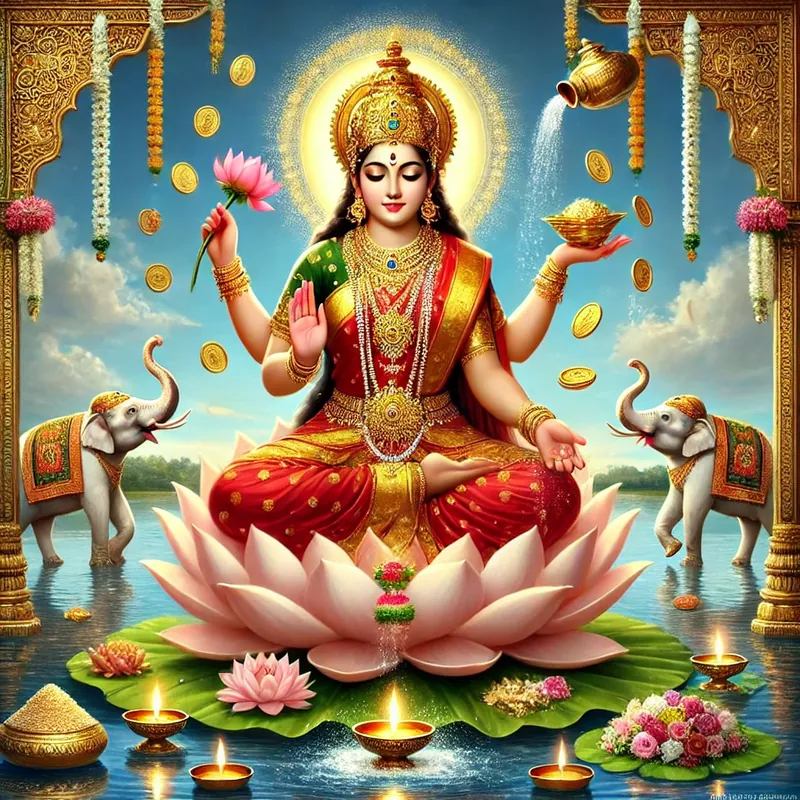
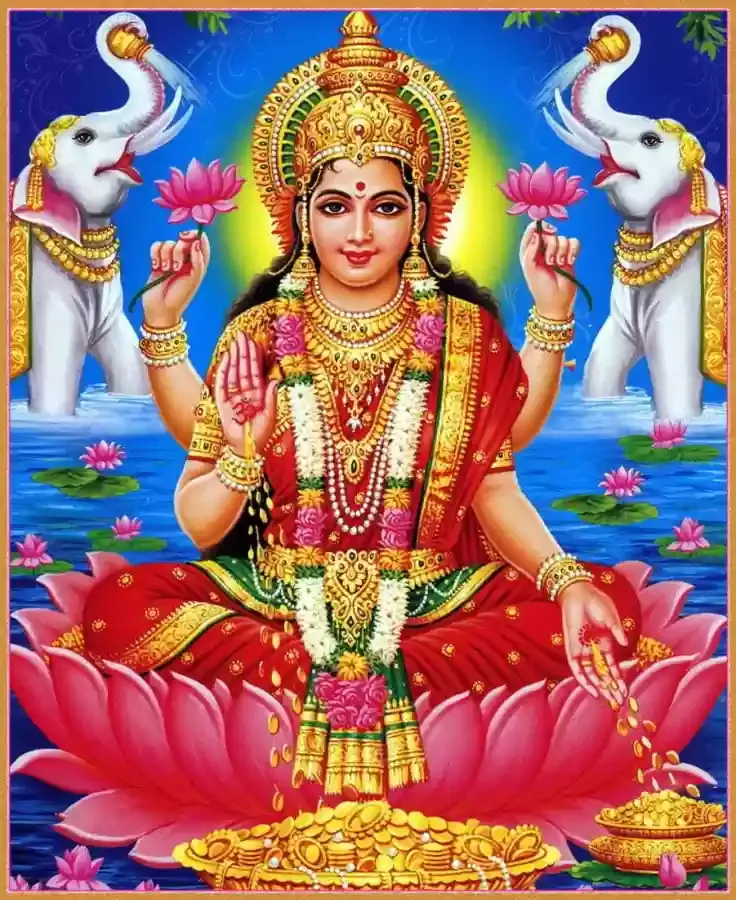
Goddess Lakshmi is worshipped for wealth, prosperity, and abundance. The festival is a time to invite positive energy and remove financial obstacles.
🔄 Renewal & New Beginnings
Diwali marks the beginning of a new year in many Indian calendars. It's a time for spiritual renewal, forgiveness, and starting fresh with positive intentions.
Modern Diwali Trends
🌱 Eco-Friendly Celebrations
Growing awareness about environmental impact. Use of clay diyas, LED lights, natural colors, and reduced firecracker usage for sustainable celebrations.
📱 Digital Celebrations:
Digital Celebrations:
🌍 Global Recognition
Global Recognition
More festivals
Coming up next
- Sakat Chauthसकट चौथMagha · Krishna Chaturthi — Mothers fast for their children and worship Lord Ganesha at moonrise.
- Makar Sankranti · Pongalमकर संक्रांति · पोंगलThe Sun enters Capricorn — kites, til-gud and the harvest festival of Pongal.
- Mauni Amavasyaमौनी अमावस्याMagha · Krishna Amavasya — A day of silence and holy dips — especially sacred at Prayagraj.
- Vasant Panchami · Saraswati Pujaवसंत पंचमी · सरस्वती पूजाMagha · Shukla Panchami — Welcoming spring and worshipping Maa Saraswati, goddess of learning.
- Ratha Saptamiरथ सप्तमीMagha · Shukla Saptami — Birthday of Surya Dev — worship of the Sun at dawn.
- Bhishma Ashtamiभीष्म अष्टमीMagha · Shukla Ashtami — Remembering Bhishma Pitamah, who left his body on this day.
- Maha Shivaratriमहाशिवरात्रिPhalguna · Krishna Chaturdashi — The great night of Lord Shiva — fasting, abhishek and all-night jagran.
- Holika Dahanहोलिका दहनPhalguna · Shukla Purnima — The bonfire of good over evil, remembering Prahlad and Holika.
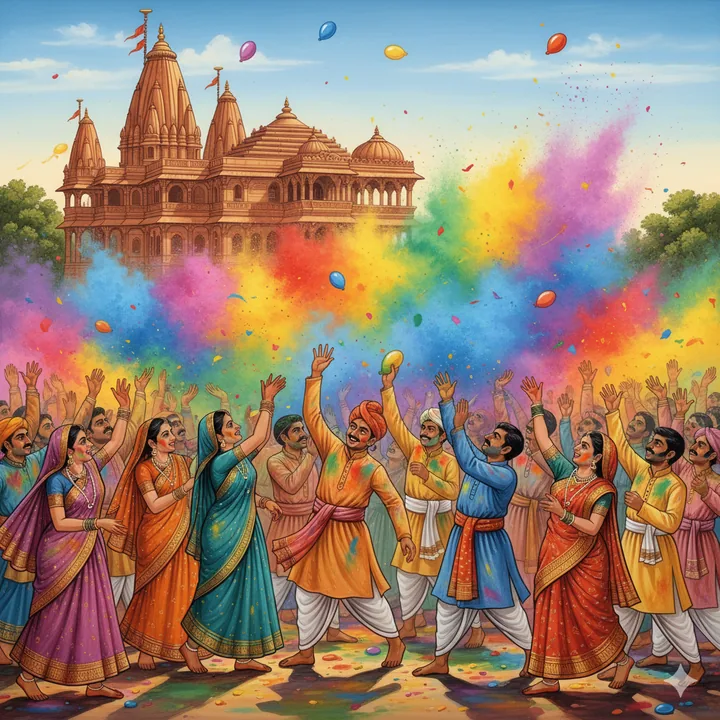
- HoliहोलीChaitra · Krishna Pratipada — The festival of colours, love and the victory of devotion.
- Sheetala Ashtami · Basodaशीतला अष्टमी · बसौड़ाChaitra · Krishna Ashtami — Worship of Maa Sheetala with food cooked the day before.
- Hindu New Year · Gudi Padwa · Ugadiनव संवत्सर · गुड़ी पड़वा · उगादीChaitra · Shukla Pratipada — The Hindu lunar new year begins with Chaitra Shukla Pratipada.
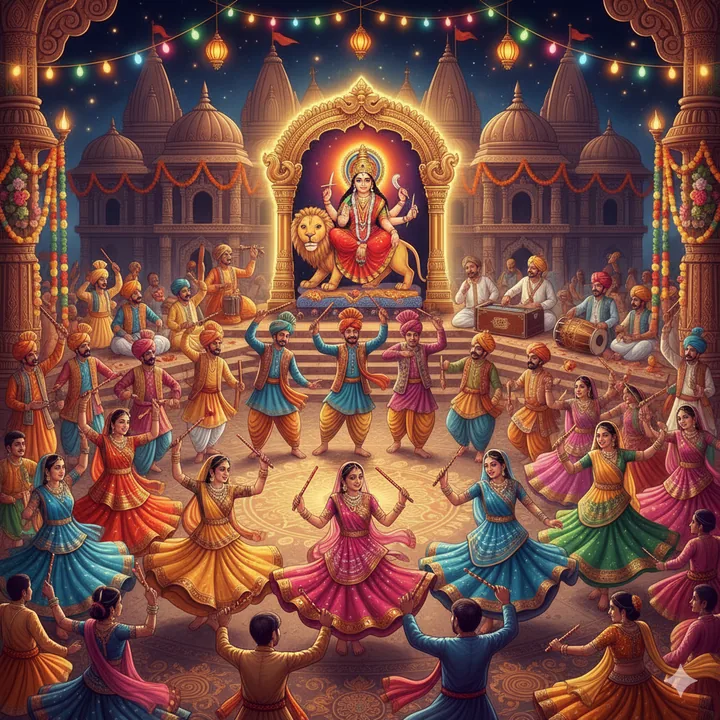
- Chaitra Navratri beginsचैत्र नवरात्रि प्रारंभChaitra · Shukla Pratipada — Nine nights of worship of Maa Durga in spring, ending on Ram Navami.