

Mantra Library
मंत्र — अर्थ, विधि और जप
29 mantras and shlokas, from the Mahamrityunjaya and Gayatri to the little prayers for every part of the day: Sanskrit text, word-by-word meaning, how and when to chant, and a 108-bead counter right on the page.

Which mantra should I chant?
Health & protection
स्वास्थ्य और रक्षाFor recovery, safety and freedom from fear.
Knowledge & study
विद्या और बुद्धिBefore exams, study and new learning.
Wealth & prosperity
धन और समृद्धिOn Fridays, Dhanteras and Diwali.
Courage & strength
साहस और शक्तिIn difficult times and against negativity.
Planets & Shani
ग्रह शान्तिFor Sade Sati and graha shanti.
Love & devotion
प्रेम और भक्तिNaam jap of Krishna, Ram and Vishnu.
Daily prayers
नित्य प्रार्थनाMorning, meals, the lamp, bedtime and after aarti.
Mantras
मंत्र29 महामृत्युंजय मंत्रMahamrityunjaya Mantra▶ Video📿 Jap counterSanskrit
 गायत्री मंत्रGayatri Mantra▶ Video🎧 Audio📿 Jap counterSanskrit
- ॐ नमः शिवायOm Namah Shivaya (Panchakshari Mantra)▶ Video📿 Jap counterSanskrit
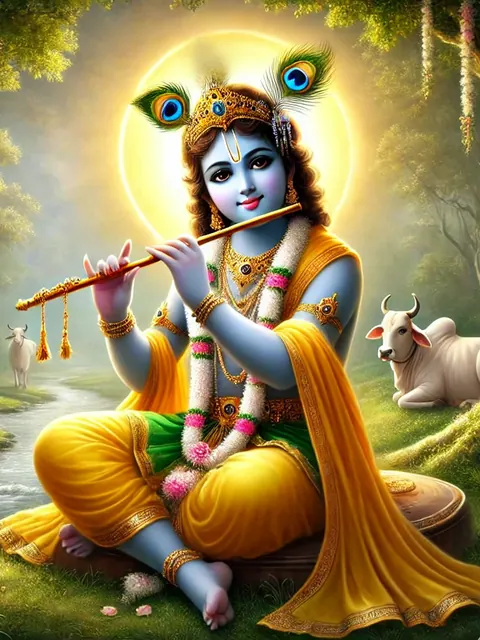 हरे कृष्ण महामंत्रHare Krishna Mahamantra▶ Video📿 Jap counterSanskrit
 ॐ नमो भगवते वासुदेवायOm Namo Bhagavate Vasudevaya▶ Video📿 Jap counterSanskrit
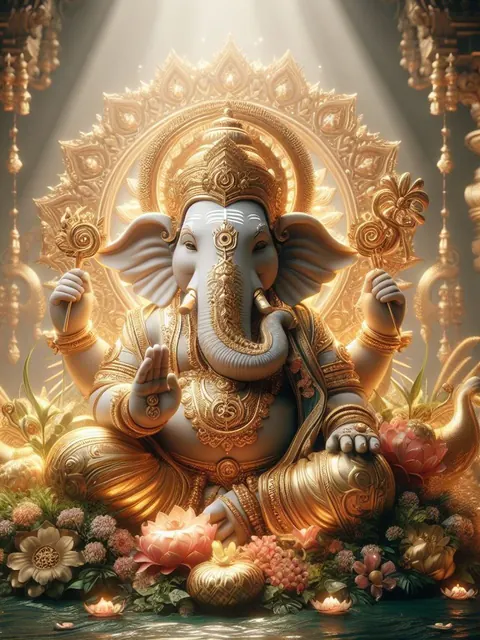 गणेश मंत्र — वक्रतुण्ड महाकायGanesh Mantra: Vakratunda Mahakaya & Om Gam Ganapataye Namah▶ Video📿 Jap counterSanskrit
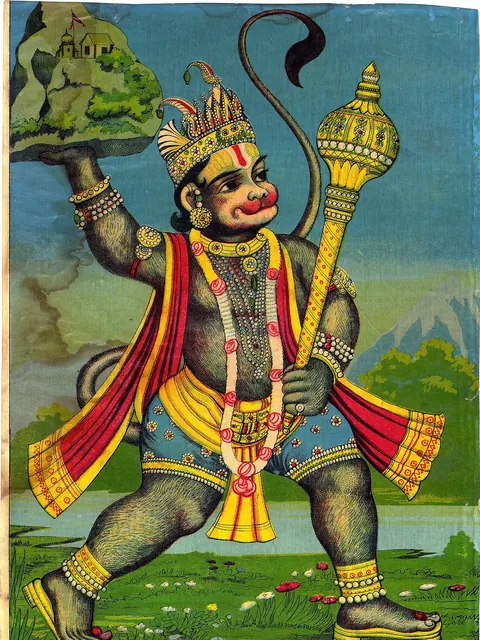 हनुमान मंत्र — मनोजवं मारुततुल्यवेगंHanuman Mantra: Manojavam Marutatulyavegam & Om Ham Hanumate Namah📿 Jap counterSanskrit
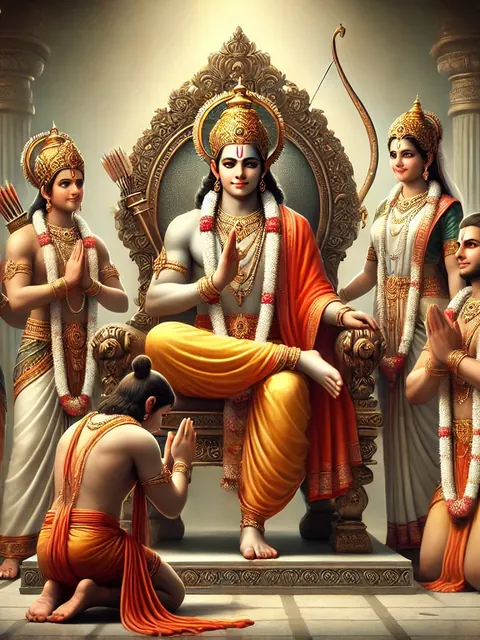 श्री राम जय राम जय जय रामShri Ram Jai Ram Jai Jai Ram (Ram Mantra)▶ Video📿 Jap counterSanskrit
 लक्ष्मी मंत्र — ॐ श्रीं महालक्ष्म्यै नमःLakshmi Mantra: Om Shreem Mahalakshmyai Namah▶ Video📿 Jap counterSanskrit
- कुबेर मंत्रKuber Mantra📿 Jap counterSanskrit
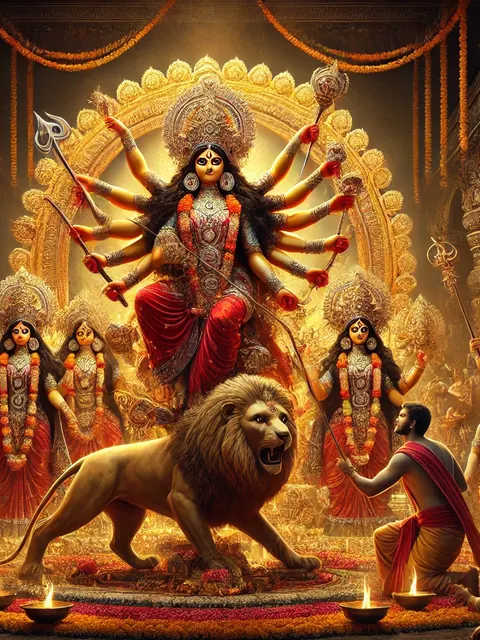 नवार्ण मंत्र — ॐ ऐं ह्रीं क्लीं चामुण्डायै विच्चेNavarna Mantra: Om Aim Hreem Kleem Chamundaye Vichche▶ Video📿 Jap counterSanskrit
- दुर्गा मंत्र — सर्वमंगल मांगल्येDurga Mantra: Sarva Mangala Mangalye & Om Dum Durgayai Namah📿 Jap counterSanskrit
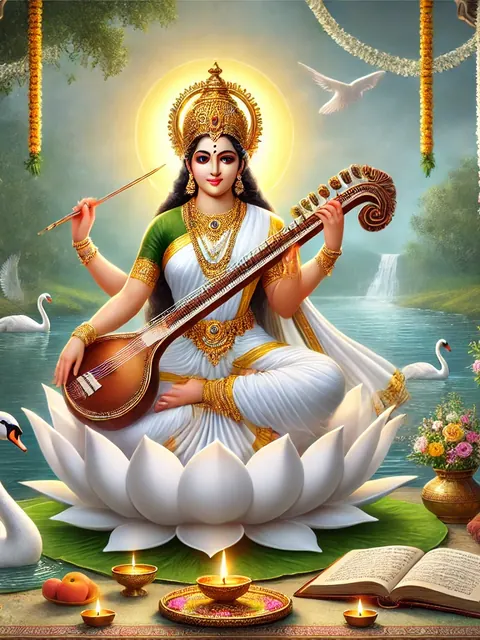 सरस्वती मंत्र — ॐ ऐं सरस्वत्यै नमःSaraswati Mantra for Students: Om Aim Saraswatyai Namah▶ Video📿 Jap counterSanskrit
- शनि मंत्र — ॐ शं शनैश्चराय नमःShani Mantra: Om Sham Shanaishcharaya Namah▶ Video📿 Jap counterSanskrit
- सूर्य मंत्र — ॐ घृणि सूर्याय नमःSurya Mantra & Arghya Mantra (Om Ghrini Suryaya Namah)📿 Jap counterSanskrit
- कृष्ण मंत्र — कृष्णाय वासुदेवाय हरये परमात्मनेKrishna Mantra: Krishnaya Vasudevaya Haraye Paramatmane📿 Jap counterSanskrit
- कर्पूरगौरं करुणावतारंKarpur Gauram Karunavtaram (Shiva Shloka after Aarti)▶ VideoSanskrit
- शान्ताकारं भुजगशयनंShantakaram Bhujagashayanam (Vishnu Dhyan Mantra)▶ VideoSanskrit
- मंगलम् भगवान विष्णुःMangalam Bhagwan Vishnu▶ VideoSanskrit
- गुरुर्ब्रह्मा गुरुर्विष्णुःGurur Brahma Gurur Vishnu (Guru Mantra)▶ VideoSanskrit
- त्वमेव माता च पिता त्वमेवTwameva Mata Cha Pita TwamevaSanskrit
- शान्ति मंत्रShanti Mantras: Om Sahana Vavatu, Asato Ma Sadgamaya & MoreSanskrit
- नित्य प्रार्थना — प्रातः, स्नान, दीप, भोजन और शयन श्लोकDaily Prayers: Morning, Bath, Lamp, Meal & Bedtime ShlokasSanskrit
- क्षमा प्रार्थना — आवाहनं न जानामिKshama Prarthana: Aavahanam Na Janami (Prayer for Forgiveness after Puja)Sanskrit
- देवताओं के गायत्री मंत्रGayatri Mantras of the Gods: Ganesh, Shiv, Vishnu, Krishna, Hanuman & MoreSanskrit
- नवग्रह बीज मंत्रNavagraha Mantras: Beej Mantras of the Nine PlanetsSanskrit
- ॐ — प्रणव मंत्रOm (Aum) Chanting: The Pranava Mantra📿 Jap counterSanskrit
- धन्वन्तरि मंत्रDhanvantari Mantra for Health (Dhanteras)▶ VideoSanskrit
- तुलसी मंत्रTulsi Mantra: For Daily Tulsi Puja and Tulsi Vivah▶ VideoSanskrit
Mantra jap in six steps
- Choose one mantra and keep to it; a fixed time and place each day helps the mind settle.
- Bathe or wash your hands and face, and sit comfortably on a mat facing east or north, spine straight.
- Light a diya and take a sankalp: say in your mind what you are chanting for and how many malas.
- Hold the mala in the right hand over the middle finger and move one bead towards you with the thumb for each mantra. Do not use the index finger and do not cross the sumeru; turn the mala at the end of a round.
- Chant clearly and without hurry, aloud, in a whisper or silently. When the mind wanders, gently come back to the sound.
- Finish by sitting quietly for a minute and offering the jap to your deity, with a prayer for the good of all.
No mala? Use the online Jap Mala: tap, press Space or chant aloud with voice counting.
About mantras
What is a mantra?
A mantra (from manas, mind, and trai, to protect) is a sacred sound, syllable or verse that steadies and protects the mind. Vedic mantras like the Gayatri and Mahamrityunjaya are verses of the Vedas; bija mantras such as Om, Shreem and Gam are single seed syllables of a deity; naam mantras like Hare Krishna and Shri Ram Jai Ram are the names of God.
Why are mantras chanted 108 times?
A japa mala has 108 beads, a number sacred in Hindu, Buddhist and Jain traditions: 12 zodiac signs × 9 planets, or 27 nakshatras × 4 quarters. One round of the mala is one mala of jap; the head bead (sumeru) is never crossed.
Which mala should I use?
Rudraksha for Shiva and most mantras, tulsi for Vishnu, Krishna and Ram, kamalgatta (lotus seed) or sphatik for Lakshmi, and red sandalwood for Devi. Any clean mala used with devotion works, and the free counter here works without one.
Can I chant mantras silently?
Yes. Scripture describes three ways: aloud (vachika), whispered (upanshu) and in the mind (manasika), each said to be more powerful than the last. Beginners often start aloud and move inward.
Do I need initiation (diksha) to chant a mantra?
Naam mantras, Om, Om Namah Shivaya and the prayers here are chanted by everyone. Traditionally, bija mantras and formal anushthans are received from a guru, but chanting any mantra with faith and respect is welcomed in every tradition.